
Blog
Blog

Growth
Clarity
Support
Compassion
Blog
Insights, Inspiration, and Wellness Tips for Your Journey
Welcome to our blog, where we share valuable articles, expert advice, and insightful resources to support your mental health and well-being. Whether you’re looking for tips on managing stress, understanding emotional wellness, or exploring therapeutic approaches, our blog is here to inform and inspire you. Stay connected and empowered on your journey to a healthier, more balanced life.
Growth.
Clarity.
Support. Compassion.
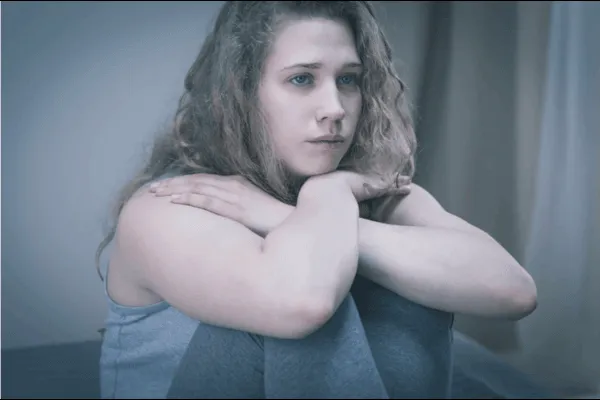
Reasons Why There Is Such A Stigma Around Mental Health Problems
Reasons Why There Is Such A Stigma Around Mental Health Problems
Mental health challenges are something many people quietly carry. You might be dealing with anxiety, emotional exhaustion, or a constant sense of overwhelm, yet still find yourself keeping it all inside.
Not because you don’t want support. But because something makes it feel difficult to speak. That something is often stigma.
Even today, when mental health is talked about more openly, many individuals still feel judged, misunderstood, or hesitant to reach out. So what exactly is stigma, why does it still exist, and how can we begin to reduce it?
What Is Mental Health Stigma?
Mental health stigma refers to the negative attitudes, beliefs, and assumptions people hold about those experiencing mental health difficulties.
It can show up in ways like:
Dismissing someone’s feelings
Believing mental health struggles are a sign of weakness
Avoiding conversations around emotional wellbeing
Over time, this creates a space where people feel they must hide what they’re going through, instead of asking for support.
Why Does Stigma Still Exist?
Although awareness has improved, stigma continues for several reasons.
Lack of understanding plays a major role.
Mental health struggles are often invisible, making them easier to misunderstand or minimise.
There is also social conditioning. Many people grow up hearing messages like “be strong” or “don’t talk about your problems,” which makes emotional expression feel uncomfortable.
Another key factor is fear of judgment.
People worry about how they’ll be perceived if they open up whether they’ll be taken seriously, labelled, or treated differently.
And finally, misinformation continues to shape how mental health is viewed, often creating fear instead of empathy.
The Different Types of Mental Health Stigma
Stigma is not just one thing it appears in different forms that can affect people in different ways.
Structural stigma involves systems, policies, or environments that limit access to support.
For example, workplaces that don’t prioritise mental wellbeing or have limited access to care.
Public stigma comes from society, the way people think, speak, and behave toward those experiencing mental health challenges.
This can include judgment, avoidance, or lack of understanding.
Self-stigma is often the most difficult.
This happens when individuals begin to internalise those beliefs, thinking:
I should be able to handle this, or something must be wrong with me.
How Stigma Affects Everyday Life
When stigma is present, it can lead to silence, isolation, and self-doubt.
People may:
Avoid asking for help
Feel ashamed of their emotions
Struggle alone for longer than they need to
This not only delays healing but can make emotional challenges feel heavier over time.
How Can We Reduce Mental Health Stigma?
Change doesn’t happen overnight, but it begins with small, meaningful shifts.
One of the most important steps is awareness.
Understanding that mental health is a natural part of being human helps remove judgment.
Changing the way we speak also makes a difference.
Simple, supportive language can create a sense of safety instead of pressure.
Normalising conversations allows people to feel less alone.
The more openly we talk about stress, anxiety, and emotional struggles, the less power stigma holds.
And perhaps most importantly, being gentle with yourself.
If you’re struggling, it doesn’t mean you’re weak it means your body and mind are asking for care.
Why This Matters
Mental health stigma doesn’t just exist “out there.”
It shapes how people feel about themselves, how they cope, and whether they seek support.
But the moment understanding replaces judgment, things begin to shift.
You don’t have to keep everything inside. You don’t have to carry it all on your own.
Ready to Take a Step Forward?
If you’ve been feeling stuck, overwhelmed, or unsure where to begin, you’re not alone.
Caroline Reed works with women who are ready to move beyond stress, anxiety, and past experiences, using gentle and practical approaches that help you feel calmer, safer, and more in control.
If you’d like to explore what support could look like for you, you can take that first step here:
pages.caroline-reed.com
Sometimes, one conversation is all it takes to begin feeling like yourself again.

You Deserve to Feel Safe in Your Body Again
We specialize in providing comprehensive mental health services designed to help you understand, manage, and improve your emotional and psychological well-being. Using evidence-based therapies and personalized care plans
Or book a free call to explore your options.

I provide trauma informed, compassionate, and confidential care for women navigating emotional overwhelm, anxiety, or chronic stress.
Whether you're just starting your healing journey or seeking deeper transformation, support is here with tools that truly work.
Quick links
Services
© Caroline Reed. 2026. All Rights Reserved.