Blog
Blog

Growth
Clarity
Support
Compassion
Blog
Insights, Inspiration, and Wellness Tips for Your Journey
Welcome to our blog, where we share valuable articles, expert advice, and insightful resources to support your mental health and well-being. Whether you’re looking for tips on managing stress, understanding emotional wellness, or exploring therapeutic approaches, our blog is here to inform and inspire you. Stay connected and empowered on your journey to a healthier, more balanced life.
Growth.
Clarity.
Support. Compassion.
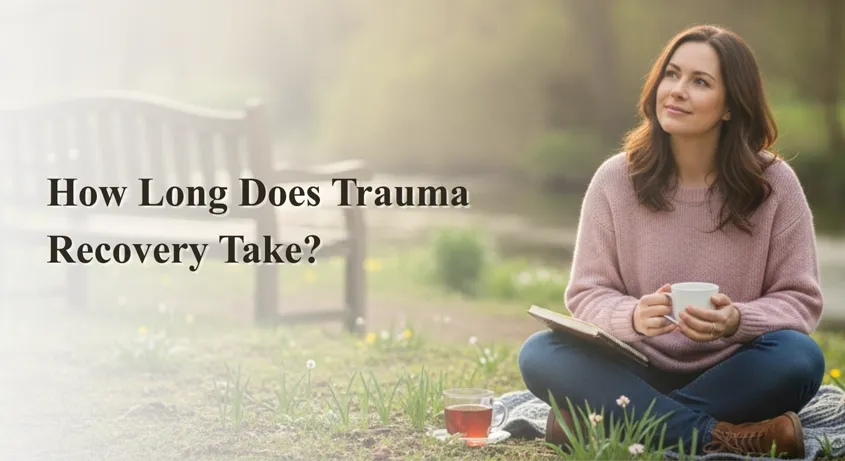
How Long Does Trauma Recovery Take?
How Long Does Trauma Recovery Take?
If you’ve experienced trauma, whether recently or years ago, it’s natural to wonder how long healing will take. The truth? There’s no one-size-fits-all answer. Trauma recovery isn’t a straight line, and it certainly doesn’t follow a fixed timeline. But that doesn’t mean healing isn’t possible far from it.
In this blog, we’ll explore what trauma really is, how to recognise its impact, and what the recovery process can look like. Whether you’re just starting out or further along in your journey, this is for you.
What Is Trauma?
Trauma isn’t defined only by what happened but by how it affected you. It might come from a single event like an accident or loss, or from long-term experiences such as childhood neglect, emotional abuse, or living in a toxic environment.
When something overwhelms your ability to cope, your nervous system stores that stress. You may have survived it physically, but emotionally and psychologically, it can leave a lasting imprint affecting how you feel, think, and relate to others.
How to Recognise Trauma in Yourself
You don’t need a formal diagnosis of PTSD to be experiencing trauma. It can show up in quiet, everyday ways that you might overlook or blame yourself for. Common signs include:
Feeling constantly on edge or easily overwhelmed
Avoiding people, places, or memories linked to past experiences
Emotional numbness or sudden, unexplained sadness
Difficulty sleeping or frequent nightmares
Trust issues or fear of being close to others
Physical symptoms like tension, headaches, or digestive issues
Many women carry these signs quietly, having learned to “just get on with it.” But recognising these patterns is a powerful first step toward healing.
So, How Long Does Recovery Take?
Here’s the honest answer: it depends. Every person’s trauma is different and so is their healing timeline. What matters more than speed is the quality and safety of the process.
Some people notice changes in a few months; others work through things over years. There’s no gold standard or finish line only your own sense of progress.
What makes the biggest difference isn’t rushing, but:
Finding the right support
Building safety in your body
Learning tools to manage difficult moments
Gently processing the past without being re-traumatised
You might move forward steadily, then hit a plateau or cycle through good and hard weeks. That’s normal. What’s important is that you’re not stuck alone in it.
The Process of Trauma Recovery
Recovery begins when you feel safe enough to start looking inward. In therapy, that often starts with stabilisation, learning tools to calm the nervous system and build resilience. These might include:
Grounding techniques to manage flashbacks or anxiety
Breathwork and somatic exercises to help regulate your body
Understanding your trauma response (fight, flight, freeze, fawn)
Journaling or reflective work to explore emotional patterns
Slowly revisiting and reframing painful memories when you’re ready
A good trauma therapist will never rush this. It’s a collaborative process, shaped around your needs, not a set schedule.
You Don’t Have to Do This Alone
If you’re reading this and recognising yourself, know this: healing is possible and you don’t have to figure it out all by yourself.
Caroline Reed specialises in helping women gently recover from trauma, rebuild their confidence, and reconnect with life again. Whether you’re unsure if what you’re feeling is “serious enough” or you’re ready to take that first step, you're welcome here.
Book a free, confidential call with Caroline today to explore how trauma therapy might support your journey:
👉 pages.caroline-reed.com
You’ve survived the hardest part. Now it’s time to start healing.

You Deserve to Feel Safe in Your Body Again
We specialize in providing comprehensive mental health services designed to help you understand, manage, and improve your emotional and psychological well-being. Using evidence-based therapies and personalized care plans
Or book a free call to explore your options.

I provide trauma informed, compassionate, and confidential care for women navigating emotional overwhelm, anxiety, or chronic stress.
Whether you're just starting your healing journey or seeking deeper transformation, support is here with tools that truly work.
Quick links
Services
© Caroline Reed. 2026. All Rights Reserved.